A commercial inoculant plant cannot be sized from a vessel capacity or a headline tonnes-per-day figure alone. You first need to define the organism, formulation, claims, production route, release tests and agricultural use case; by the end, you will have a practical basis for comparing process designs, capacity claims and supplier proposals.
Key takeaways
- Define the organism, formulation, claims and target market before sizing equipment.
- Map every step from mother culture through fermentation, formulation, filling and sealing.
- Calculate capacity from biological cycle time, not fermenter volume alone.
- Validate sterility, viability, storage life and regulatory documents before ordering machinery.
Define the product, organism and market before sizing equipment
Start with the saleable formulation, organism and market, because a liquid inoculant is not a liquid version of a carrier-based powder. A product claiming improved nutrient availability may follow fertilizer rules, while pest-control, disease-suppression or plant-growth-regulator claims can trigger pesticide regulation.
In the United States, pesticidal claims can require EPA biopesticide registration; fertilizer registration is generally handled by individual states. Export approval does not automatically transfer. The EU Fertilising Products Regulation specifies permitted product-function categories, component materials, contaminant limits, labels and conformity-assessment routes for CE-marked products.
| Product choice | Plant-design consequences | Questions to settle before sizing |
|---|---|---|
| Liquid inoculant | Fermenter, controlled dissolved oxygen, foam control, compatible pumps and seals, hygienic filling, and containers with suitable permeability | Will sedimentation, storage temperature and microbial growth damage shelf life? |
| Carrier-based powder | Sterilised carrier handling, moisture control, gentle mixing, drying validation, sieving and dust-controlled packing | Will heat or desiccation reduce viable cells before the powder meets its moisture specification? |
| Biofertilizer granules | Granulation, binder control, drying, size classification and packaging that protects physical strength and viability | Can the granule survive transport and release cells at the intended application rate? |
Select the organism with the formulation: Rhizobium, Azotobacter, Azospirillum, phosphate- or potassium-solubilizing bacteria, mycorrhizal fungi and cyanobacteria differ in oxygen, pH, temperature, sporulation and carrier compatibility. A Rhizobium culture production plant is not automatically suitable for fungi or mixed cultures.
Confirm field performance under the target soil, seed-treatment chemicals, fertilizer salts, ultraviolet exposure and farm application equipment before buying capacity.
Map the production sequence from mother culture to sealed pack
Start with a verified microbial culture and map every transfer, hold time and quality check to the final pack. The equipment must suit the organism: a Rhizobium bacterium, mycorrhizal fungus and phosphate-solubilizing bacterium will not share identical oxygen, temperature, pH or drying requirements.
1. Preserve the mother culture in a controlled culture room, with identity, purity and viability records. Use a sterilizer or autoclave for media, vessels and compatible tools before inoculation.
2. Transfer the mother culture into a seed culture vessel. Check growth, contamination and cell or spore concentration before moving it into production; a weak seed culture can lengthen the batch and reduce yield.
3. Prepare production medium in a mixing tank, sterilize it, and inoculate the fermenter under controlled agitation, aeration, temperature and pH. Keep seed preparation, production fermentation and strain storage segregated or prove clearance through validated cleaning.
4. Harvest the broth after the defined endpoint. Sell it as a liquid only after concentration adjustment and testing, or separate cells or spores before blending with a tested carrier; carrier pH, salinity, moisture, particle size and native microbial load affect survival.
5. For powders or granules, use a validated mixer, dryer or granulator, followed by a sieve to remove lumps and control particle size. Excess heat or residual sterilant can destroy viability.
6. Fill measured quantities, seal and code each pack. Hold finished batches for identity, contamination, viable count, moisture and stability checks, while treating broth, wash water, filters and rejected material by validated inactivation before disposal. Release the batch only when results meet its specification.
Turn biological processing time into a realistic commercial capacity
A 3 tonnes per day biofertilizer plant does not necessarily sell three tonnes per day. That figure may describe vessel capacity, not saleable output after fermentation, transfer, formulation, filling and batch release.
Calculate capacity from fermenter working volume, not the vessel’s total volume. Multiply the fermenter working volume by the number of completed fermentation cycles during available operating hours, then apply these deductions:
- Subtract the volume retained in pipes, filters, pumps and transfer vessels.
- Allow time for charging, inoculation, fermentation, cooling, emptying, cleaning and sterilization before counting the next cycle.
- Apply the measured formulation and filling yield, including spillage, moisture adjustment and packaging loss.
- Multiply by the batch-release rate after rejected or quarantined batches are removed.
For example, two 1,000-litre working-volume batches do not equal 2,000 saleable litres if one cycle takes 30 hours and cleaning takes six hours. The available schedule may support fewer fermentation cycles than a simple 24-hour calculation suggests.
Use this calculation:
saleable output = working volume × completed cycles × recovery yield × release rate
Base the cycle time on pilot and production records, including oxygen-transfer limits, heat removal, foam control and mixing time. A short biological hold can still create a long total cycle.
Size formulation, filling, quality control and warehouse space for seasonal peaks, not average daily demand. Finished product held for stability testing or regulatory release also ties up working capital and reduces immediately shippable stock.
Choose the formulation around survival, quality control and farm use
Choose the organism and farm application together. Rhizobium, Azotobacter, phosphate-solubilizing bacteria, potassium-solubilizing bacteria and mycorrhizal fungi differ in oxygen demand, pH tolerance, temperature range, sporulation and carrier compatibility. A fermentation system that suits one strain will not automatically protect another.
| Option | Choose it when | Main controls and risks |
|---|---|---|
| Liquid inoculant | Farmers apply it to seed, soil or irrigation water and demand easy dosing | Control dissolved oxygen, foam, pump and seal compatibility, sedimentation, container permeability and microbial growth during storage |
| Carrier-based powder | You need lower transport weight and seed-coating or soil application | Validate drying temperature and exposure time; excessive heat or desiccation can destroy viability |
| Granules | Farmers need accurate soil placement, reduced dust or compatibility with mechanical applicators | Control granule strength, size distribution, moisture, release rate and survival during drying and storage |
Treat carrier quality as a performance specification. Test particle-size distribution, pH, organic-matter content, water-holding capacity, salinity, residual sterilant, heavy metals and native microbial load. Peat carrier, lignite carrier, charcoal carrier and talc carrier each alter moisture retention, porosity and survival; sterilisation can change those properties.
Set release limits for viable count, contamination, moisture, pH, identity and shelf-life stability. Then test the finished product under farm conditions, including seed-treatment chemicals, fertilizer salts, ultraviolet exposure, soil pH, drought, temperature and the farmer’s tank or applicator.
Choose packaging that blocks moisture and oxygen without damaging viability, and reserve warehouse space for stability holds and seasonal stock.
Validate the plant design before committing to commercial procurement
Do not approve commercial procurement until the supplier proves that the process works at pilot scale and in the field. Pilot-scale validation must measure agitation, aeration, oxygen transfer, mixing time, foam control and heat removal; vessel volume alone cannot show that a larger fermenter will support the organism without oxygen limitation or damaging shear.
Demand these records before signing off:
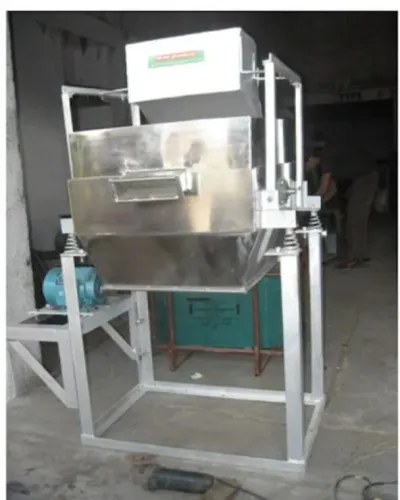
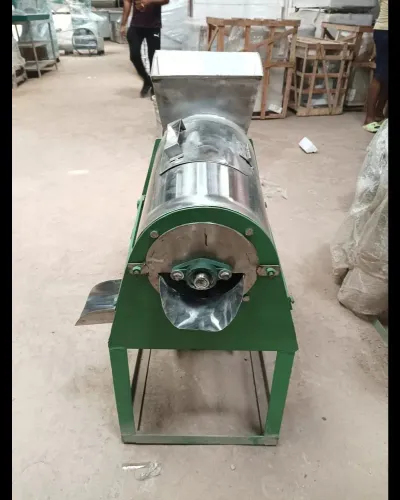
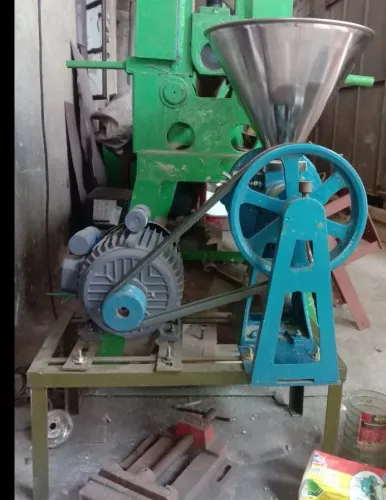
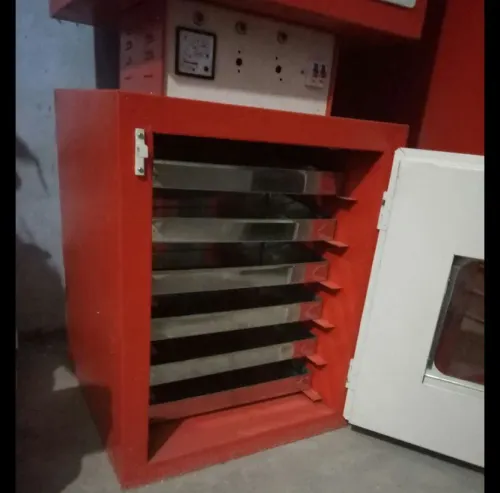
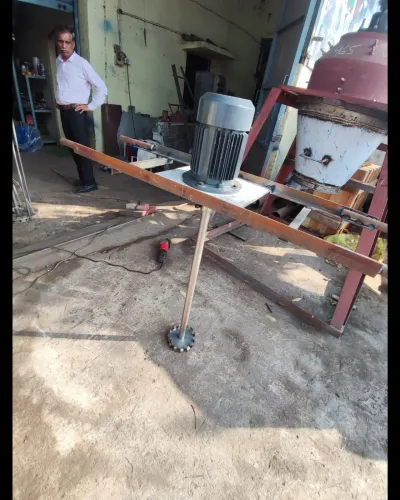
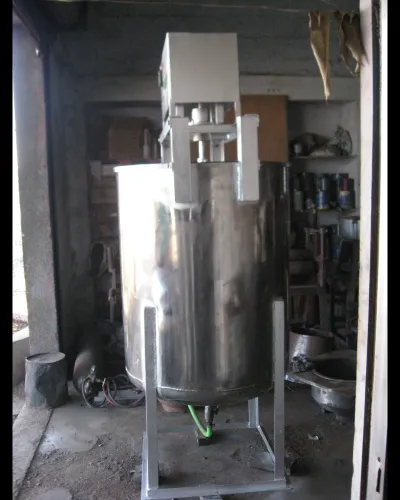
- A biofertilizer plant equipment checklist covering materials, vessel volumes, impellers, air filtration, sterilization, transfer lines, filling, cleaning and waste inactivation.
- Batch data from representative pilot runs, including viable count, contamination results, pH, temperature, dissolved oxygen, yield and rejected-batch causes.
- A contamination control plan showing segregated areas or validated cleaning between seed culture, fermentation, formulation, filling and waste handling. Require organism identification and indicator-organism testing, not total counts alone.
- A commissioning protocol with installation checks, water and air qualification, cleaning verification, trial batches, acceptance limits and operator training.
- Field evidence under intended conditions: seed treatment chemicals, fertilizer salts, tank mixes, soil pH, temperature, drought and sunlight. A high laboratory count does not prove crop performance.
- Supplier qualification records, references for comparable microbial plants, spare-parts commitments and a waste-treatment validation covering broth, filters and rejected batches.
Ask Unique Enterprises to map each supplied machine to these acceptance tests rather than approving equipment from capacity figures alone. Reject the investment if shelf-life release is based only on fermentation-end counts instead of viable count at declared expiry.
Related product
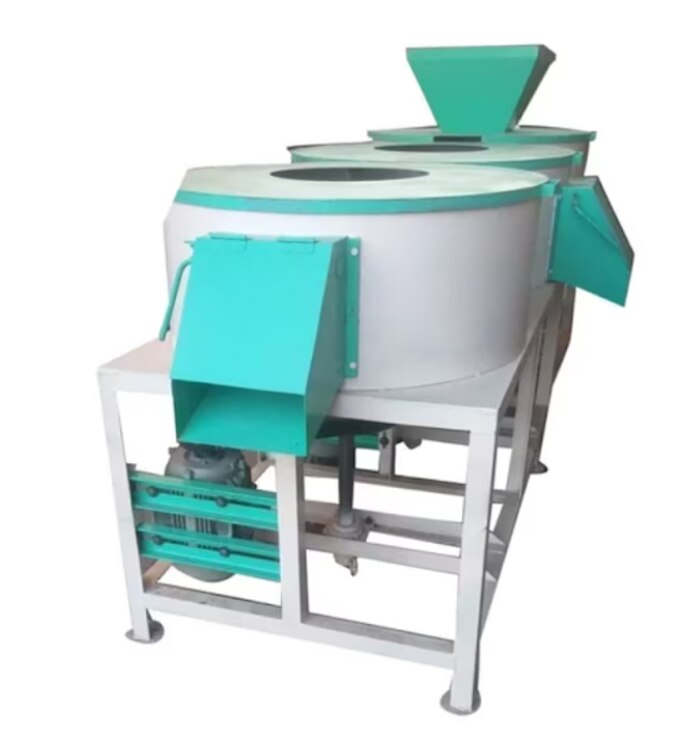
 | Fertilizer Plants Product Details: Minimum Order Quantity 1 Piece Output Capacity 3 ton/day Material Mild Steel Capacity 200 kg/hour Country of Origin Made in India As... View product → |
Frequently asked questions
What should you define before sizing a biofertilizer plant?
Define the saleable formulation, microbial organism, product claims, target crops, pack size and market regulations first. Liquid inoculants and carrier-based powders require different processing and filling systems.
What steps belong in a commercial biofertilizer production sequence?
Map the sequence from authenticated mother culture to seed culture, fermentation, quality testing, formulation, filling, sealing, labelling and finished-goods storage.
How do you calculate realistic biofertilizer plant capacity?
Use the full biological cycle, including inoculum preparation, fermentation, cleaning, testing, formulation, filling and hold time. Fermenter volume alone does not equal saleable output.
How should you choose between liquid and carrier-based biofertilizer?
Compare organism survival, contamination control, shelf life, carrier quality, farm application method, transport conditions and the equipment required for mixing, drying, filling and sealing.
What should you validate before buying commercial biofertilizer equipment?
Confirm the process flow, cleanability, temperature control, aeration, contamination controls, testing plan, batch traceability, utility demand and regulatory documentation before procurement.